- 250 Main Street, 2nd Floor, USA
- contact@example.com
Snow Leopard
Expedition at Spiti
11
Days Tour
Snow Leopard Extension..
Snow Leopard Extension..
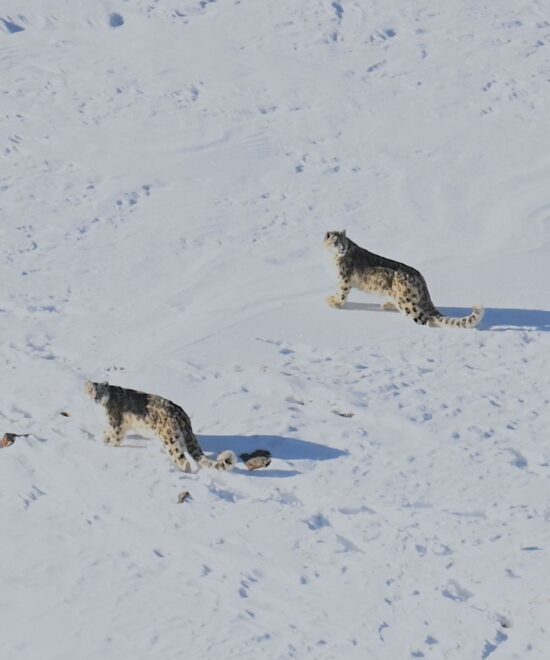
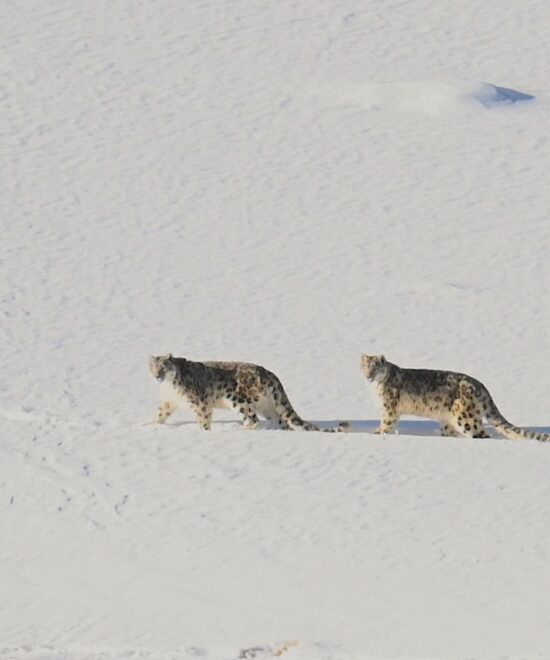
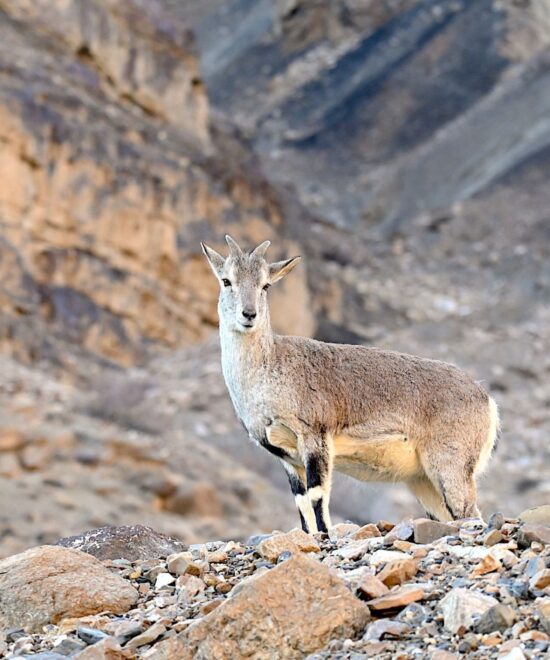
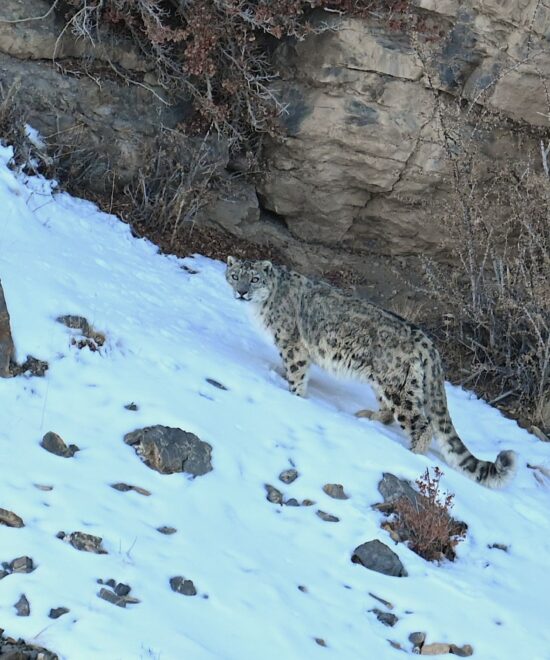
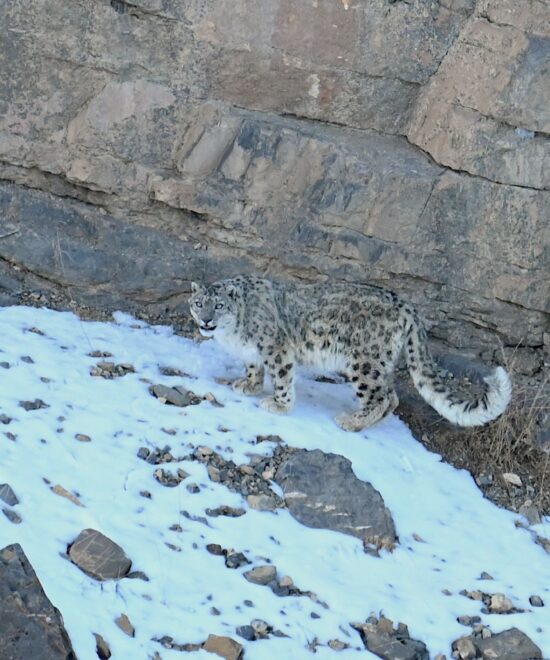
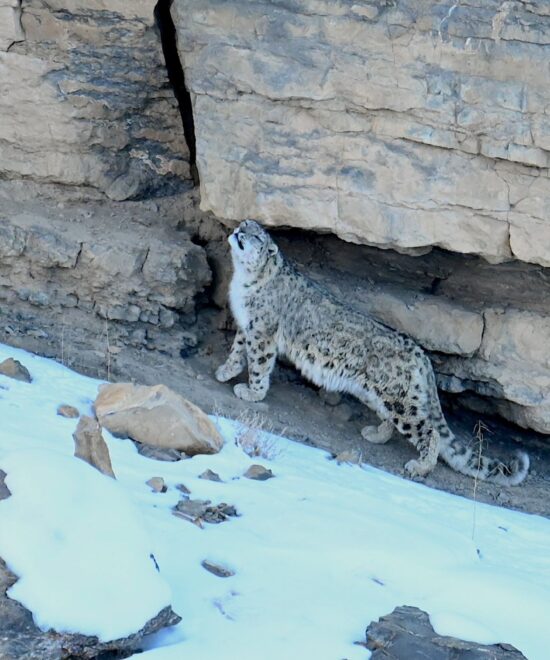
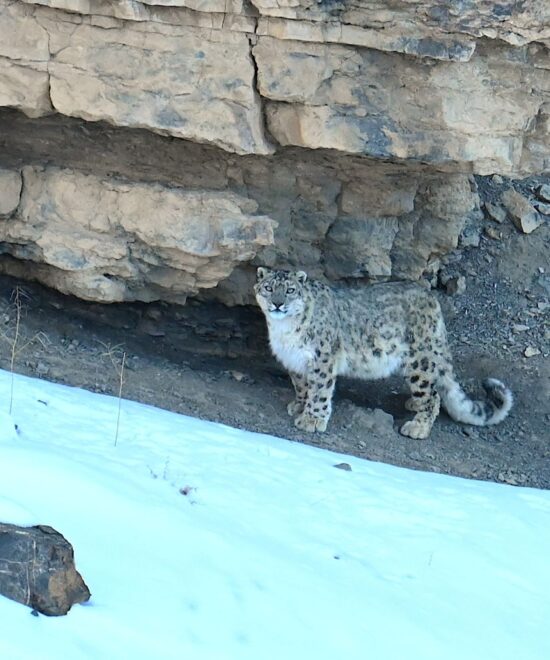
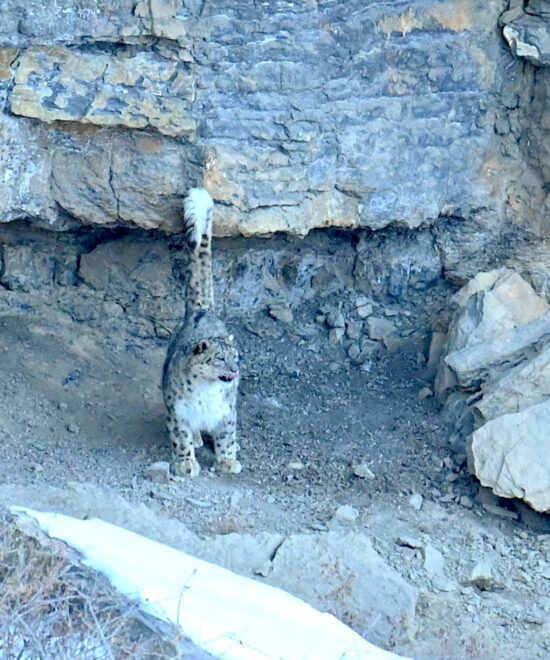
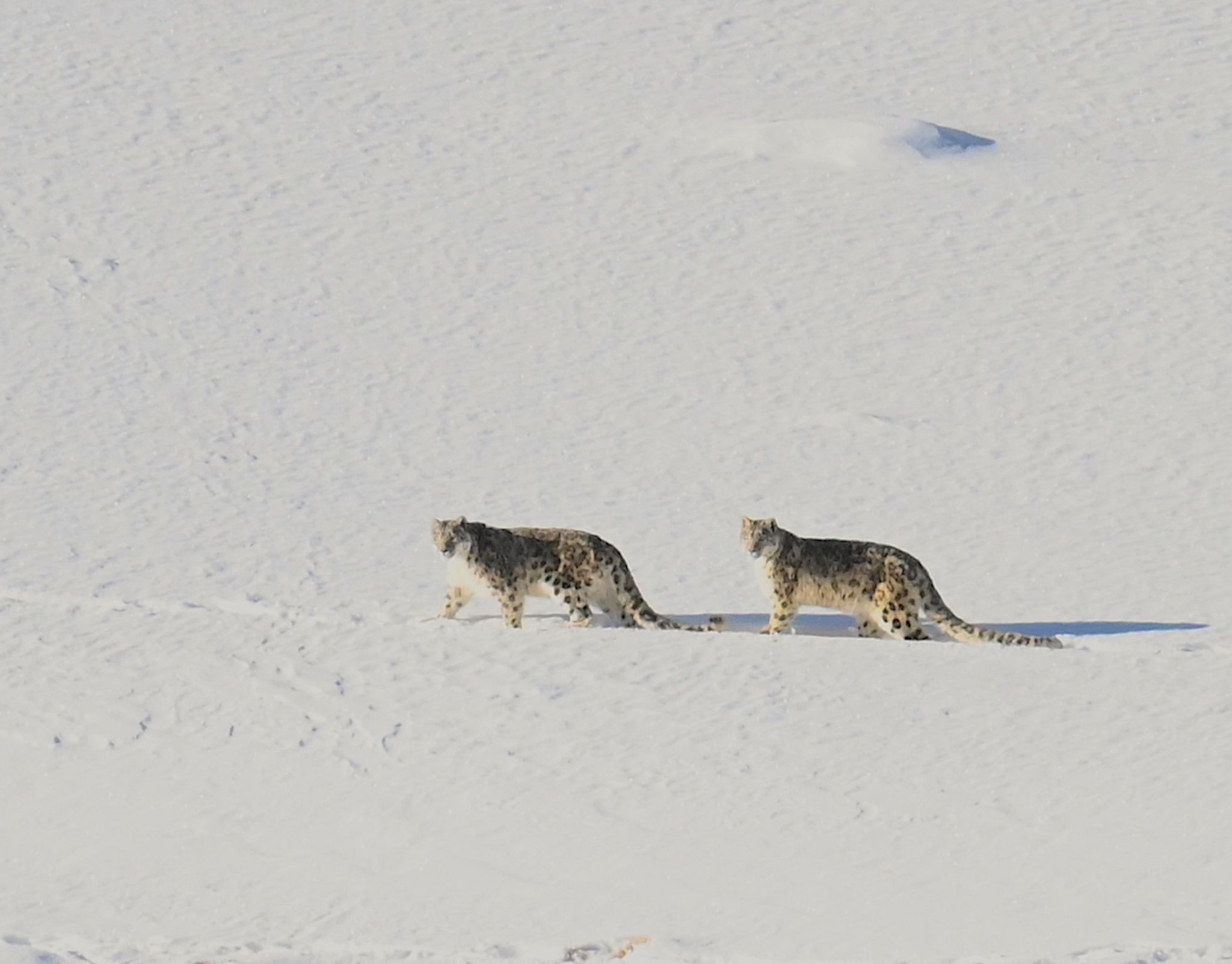
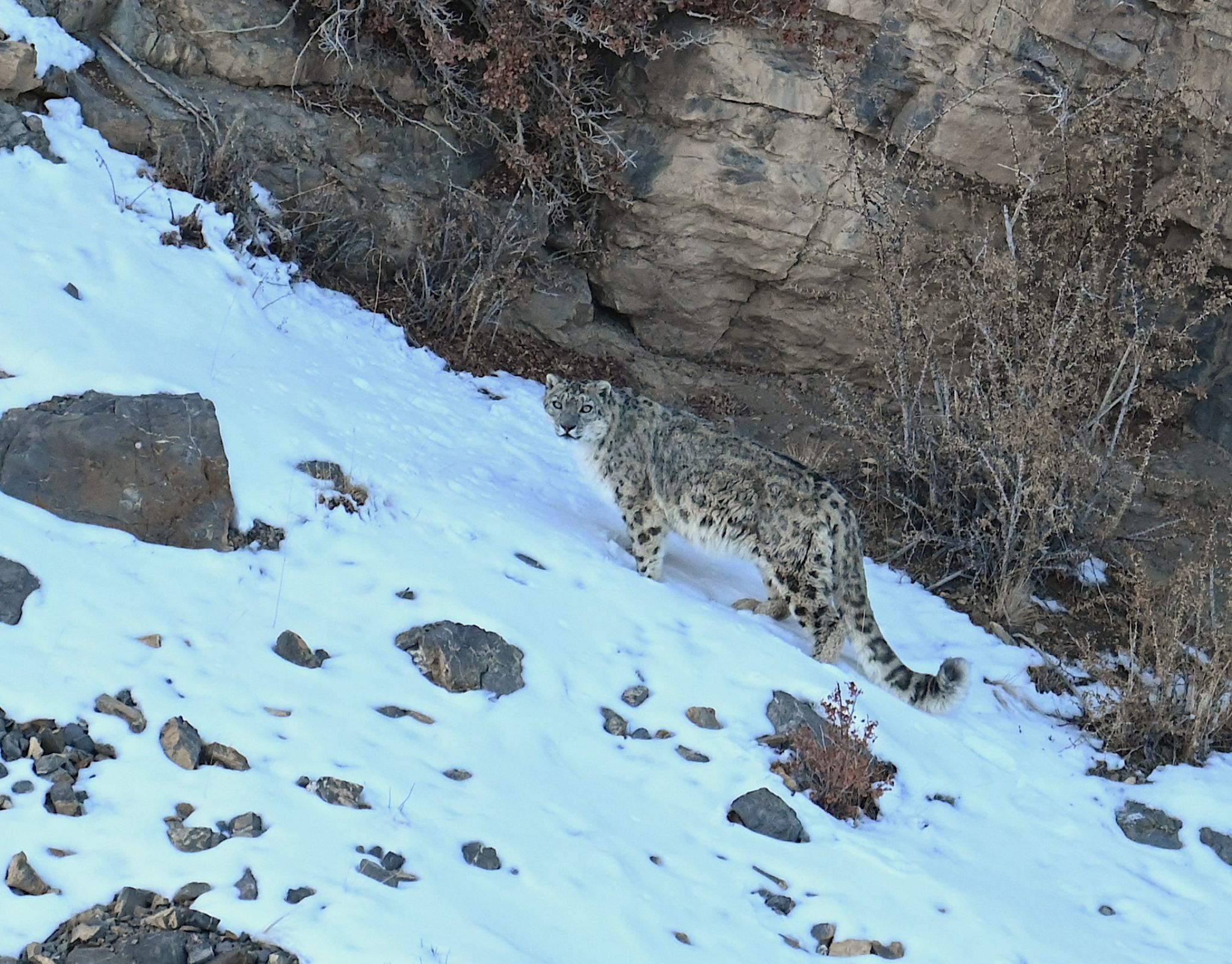
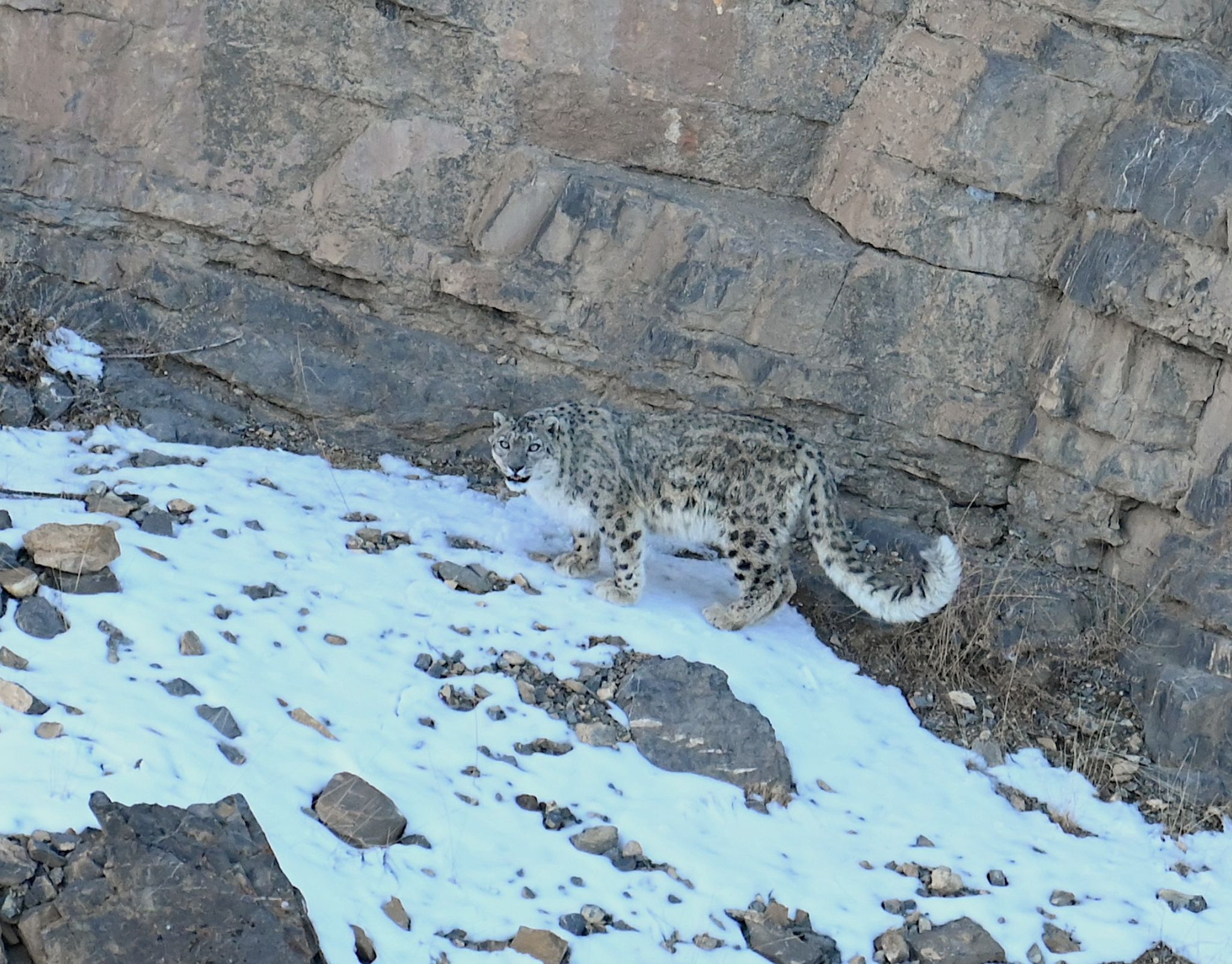
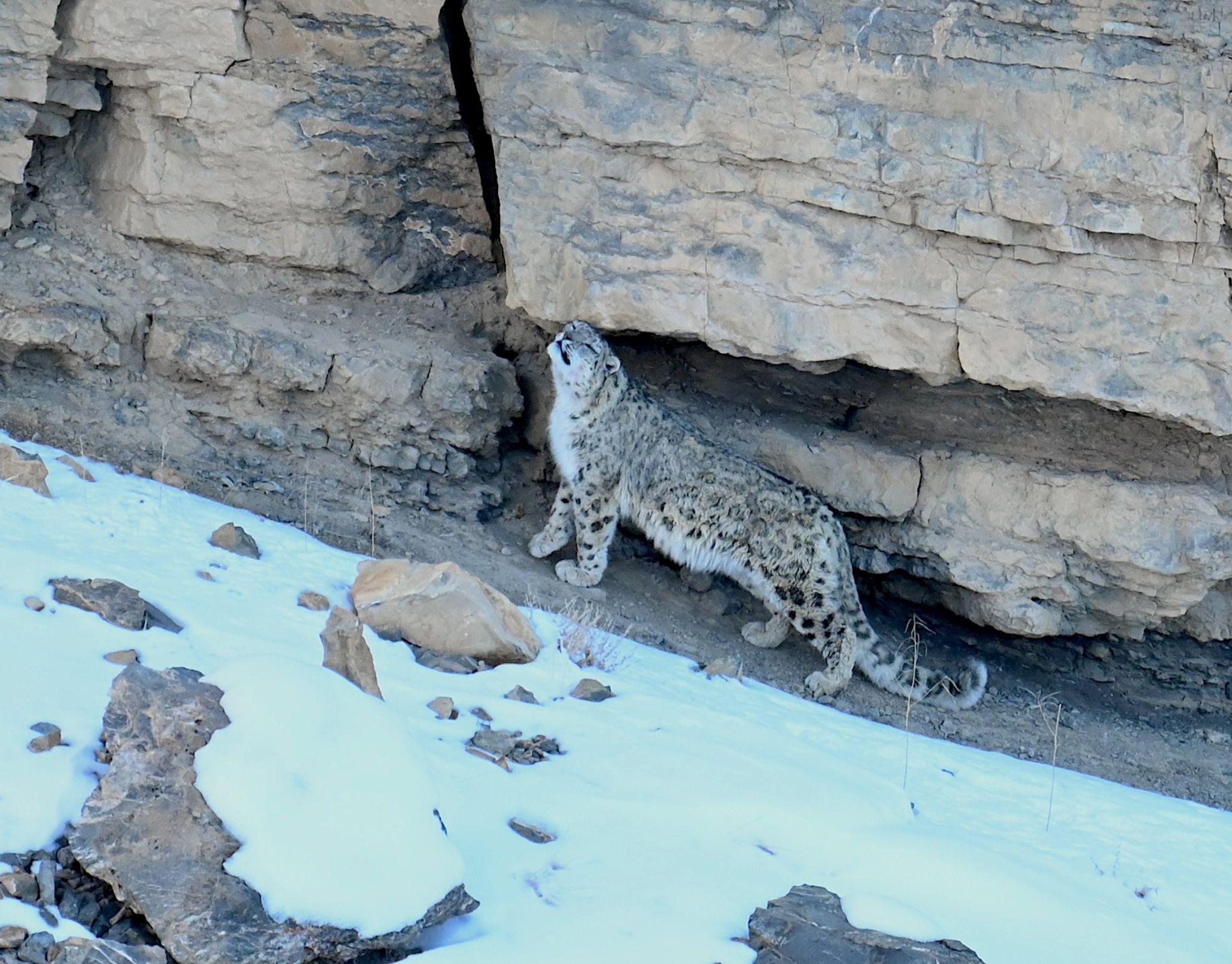
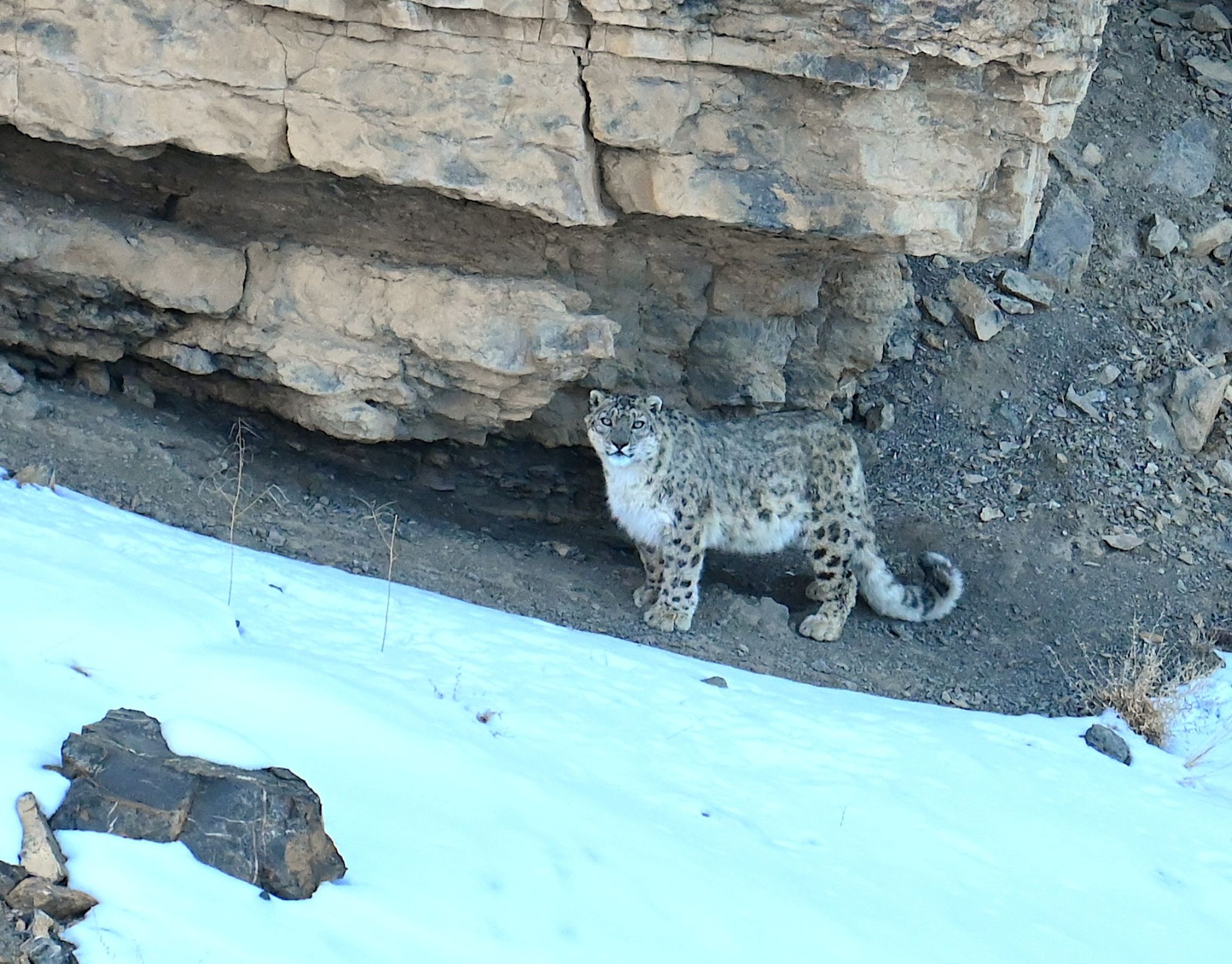
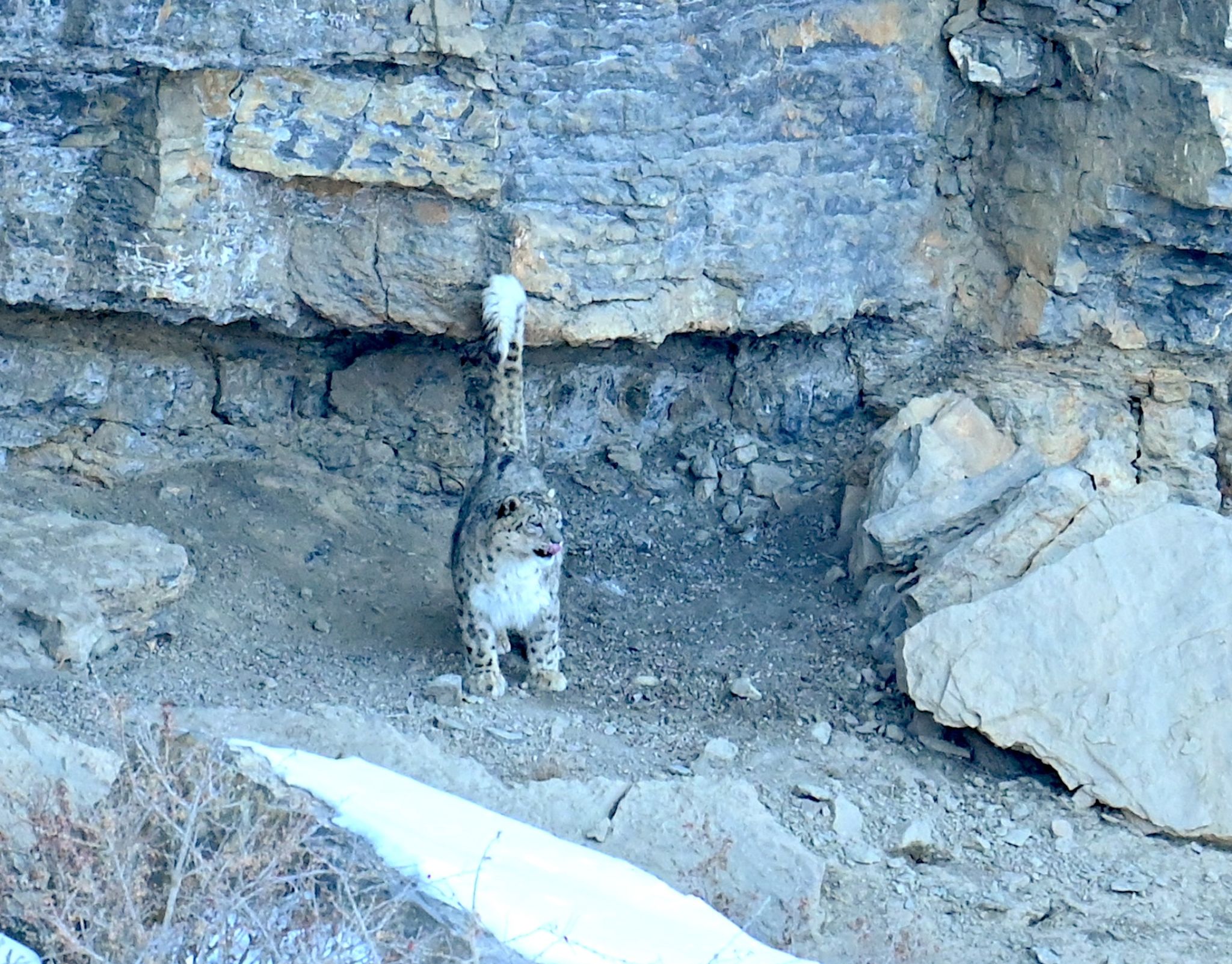
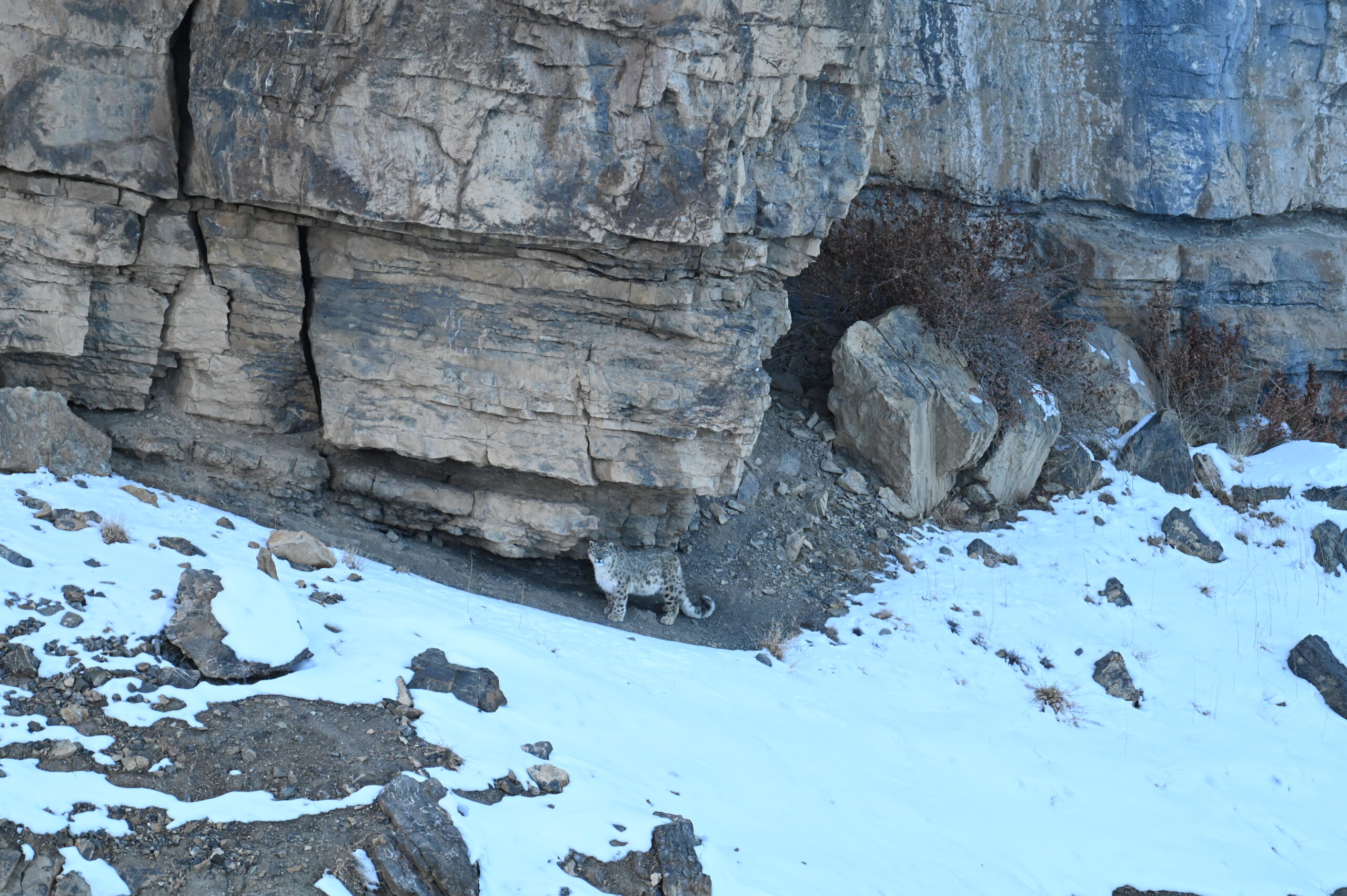
The Snow Leopard, locally known as Shan, is one of the rarest large cat species found anywhere in the world. It is so difficult to see largely because of the tough terrain. It is a large cat species primarily found in the high mountain ranges of Central and South Asia and it is listed an endangered species by the International Union for Conservation of Nature. Spiti Valley is one of the finest places to see this elusive animal.
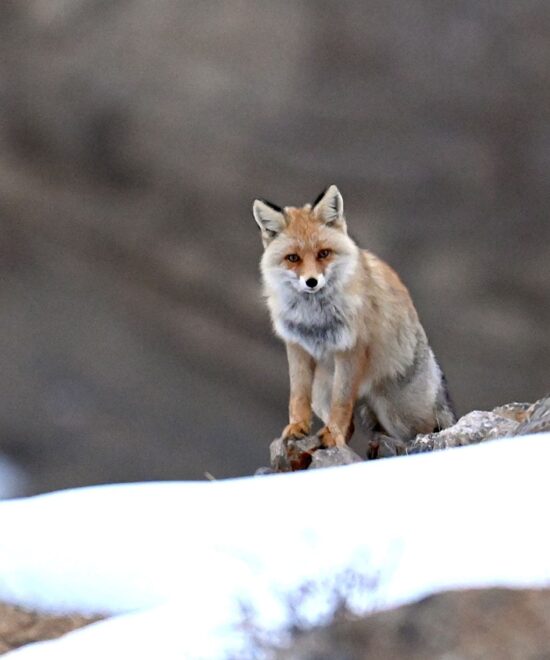
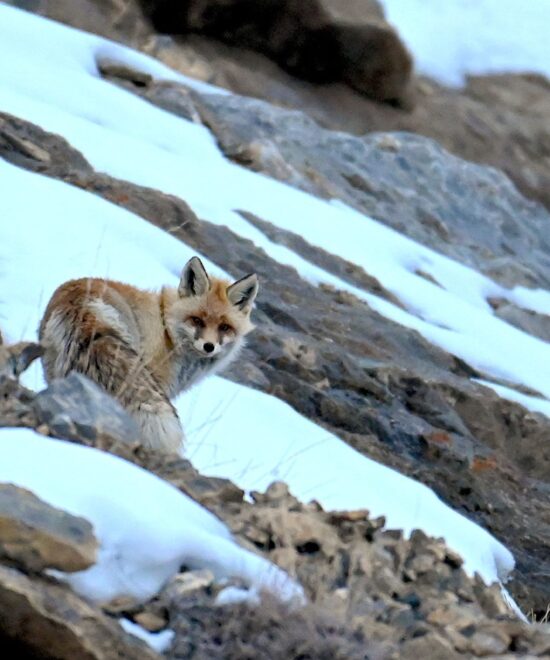
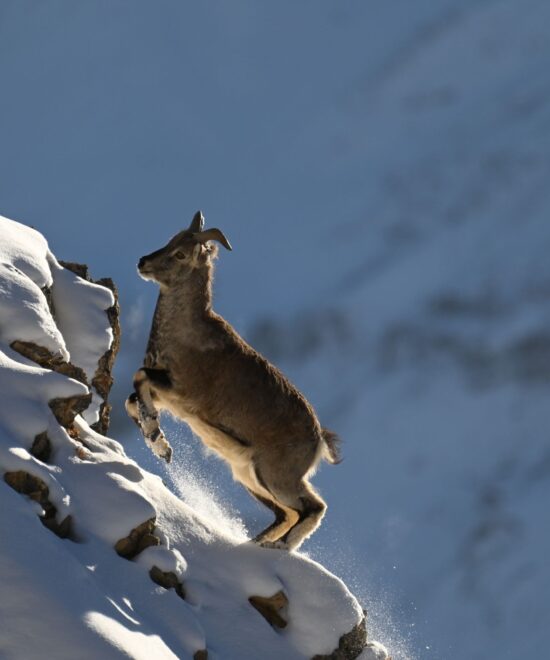
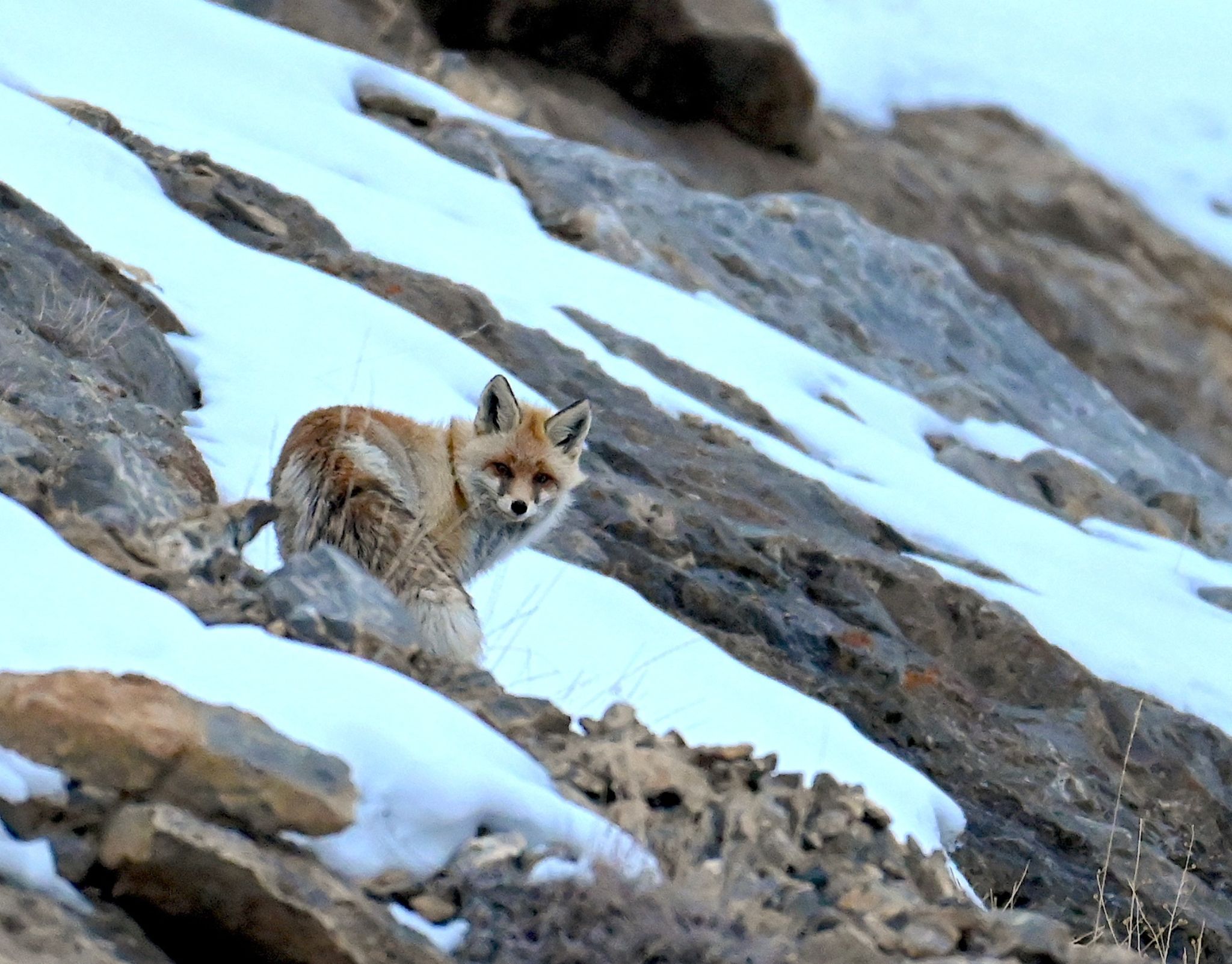
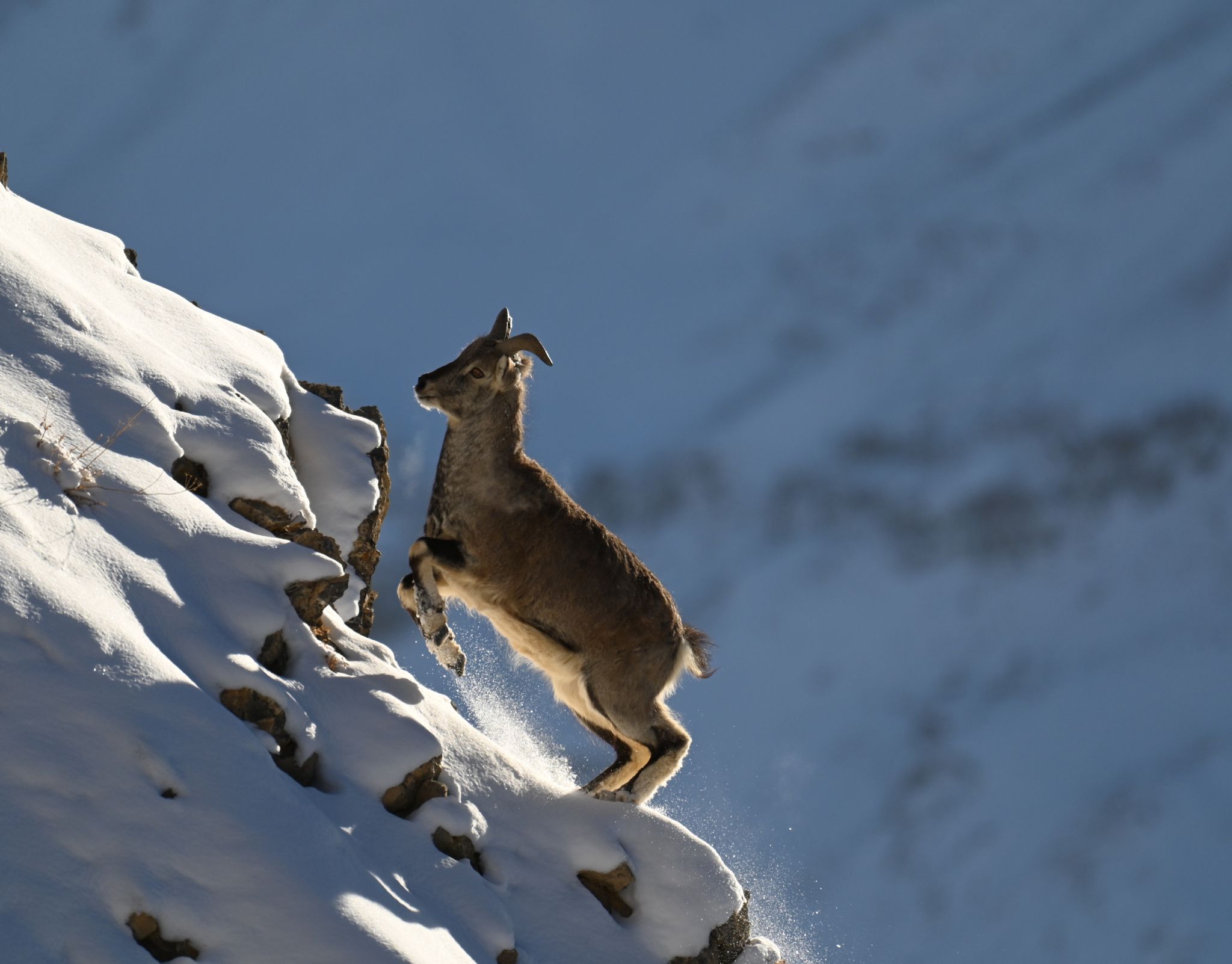
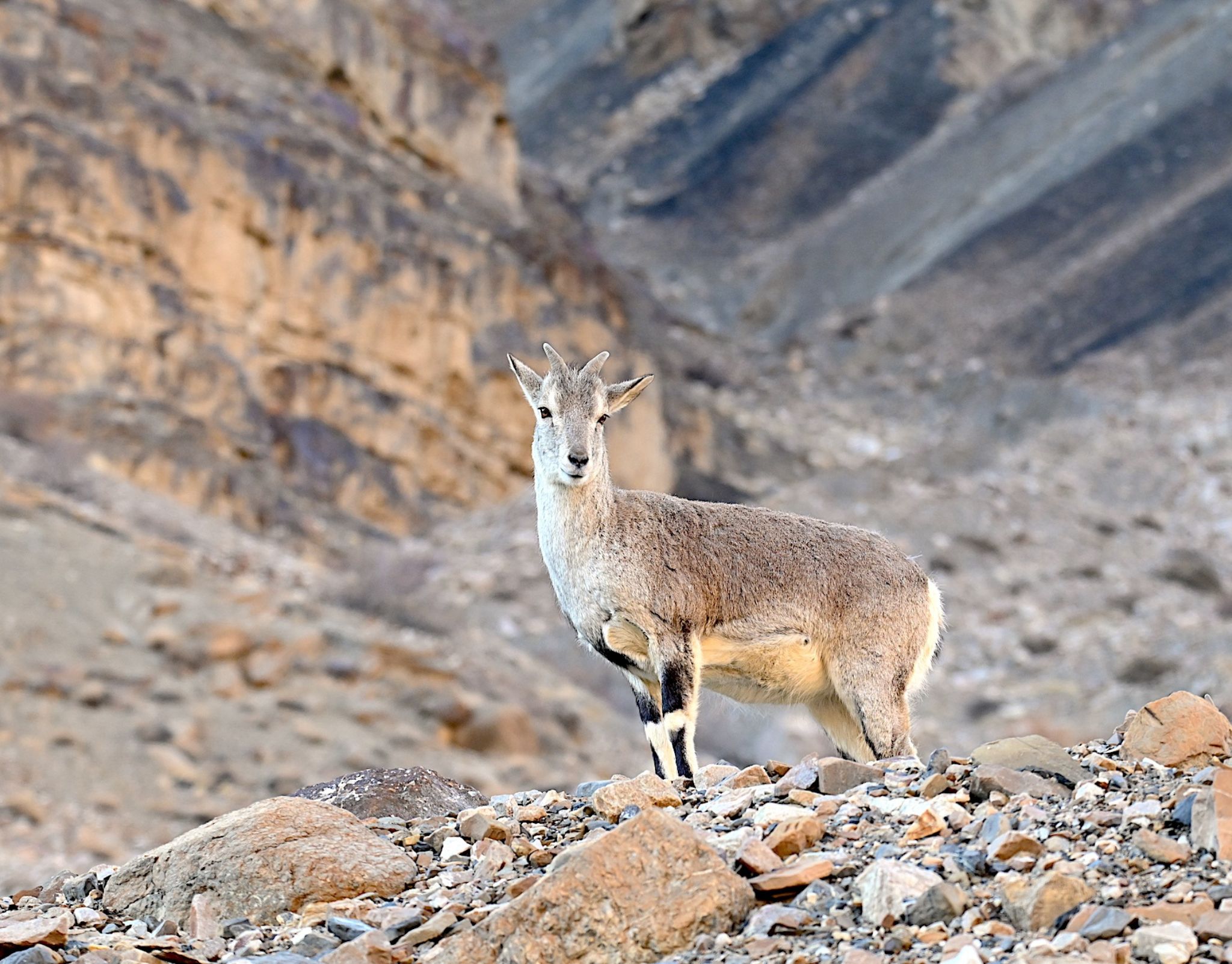
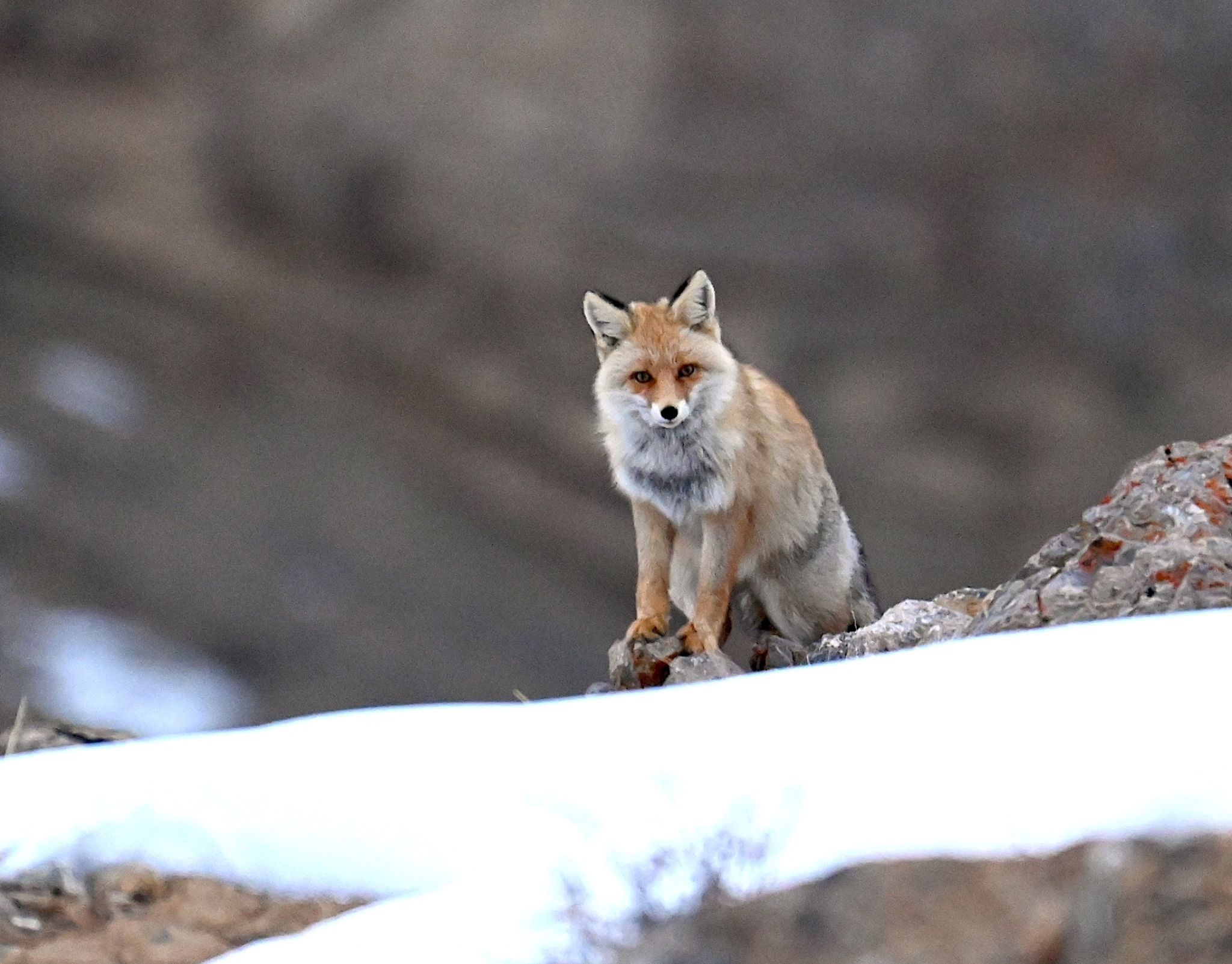
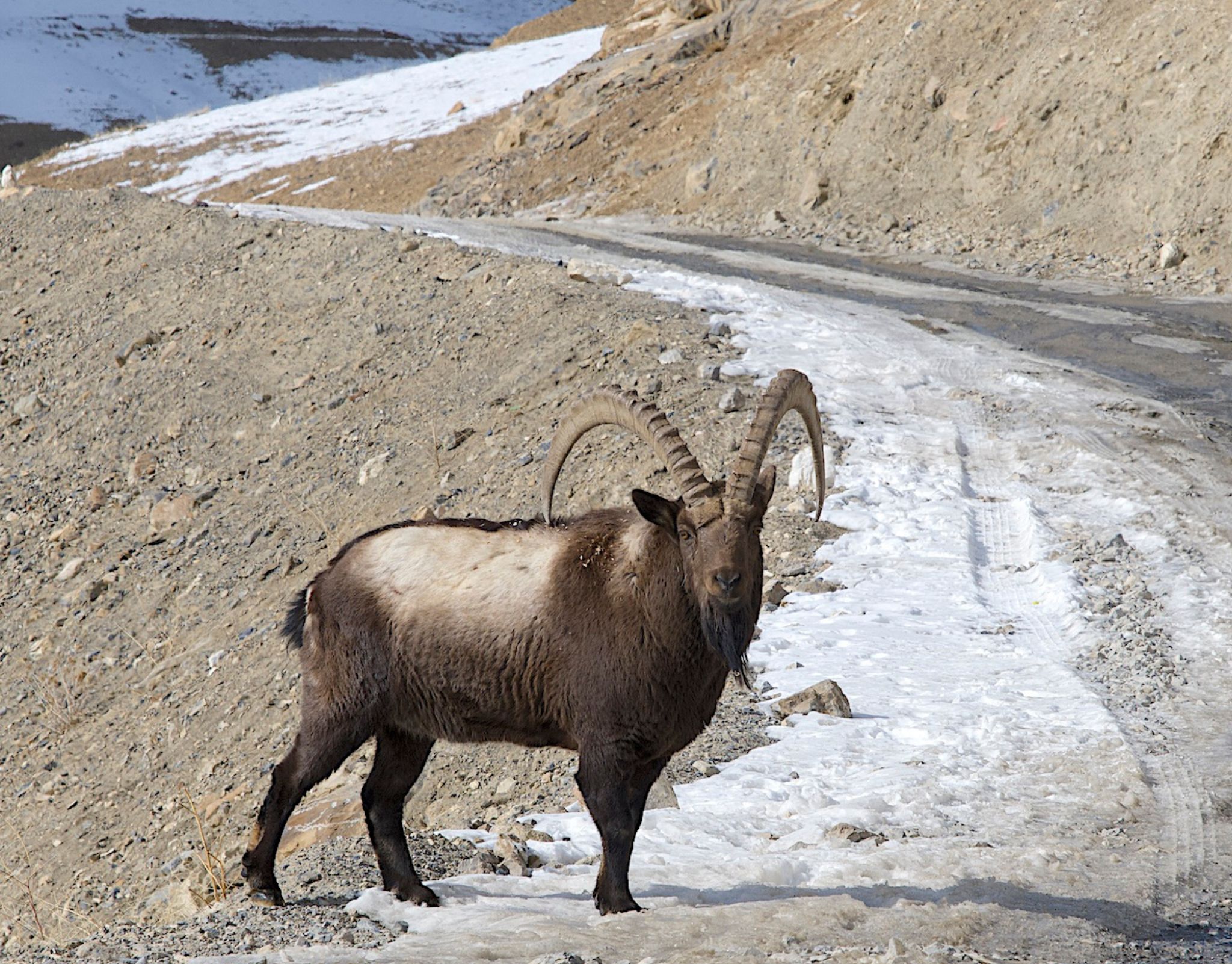
The timing of this trip is crucial because in the bitter cold months of January, February and March. Blue Sheep, the primary prey of Snow Leopard, descend down to the lower valleys and the Snow Leopard too follows it prey down. The lower valleys have human inhabitants as well and livestock is also easy prey for Snow Leopard at this time. Apart from this rare animal Ladakh is also home to other lesser known species like the Red Fox, Tibetan Wolf, Eurasian Lynx, Argali (Great Tibetan Sheep), Bharal (Blue Sheep), Shapu (Ladakhi Urial), the Ibex and several others that with a bit of luck could be seen on this trip.
About 10 days tour
Day-by-Day Itinerary
About 10 days tour
Day-by-Day Itinerary
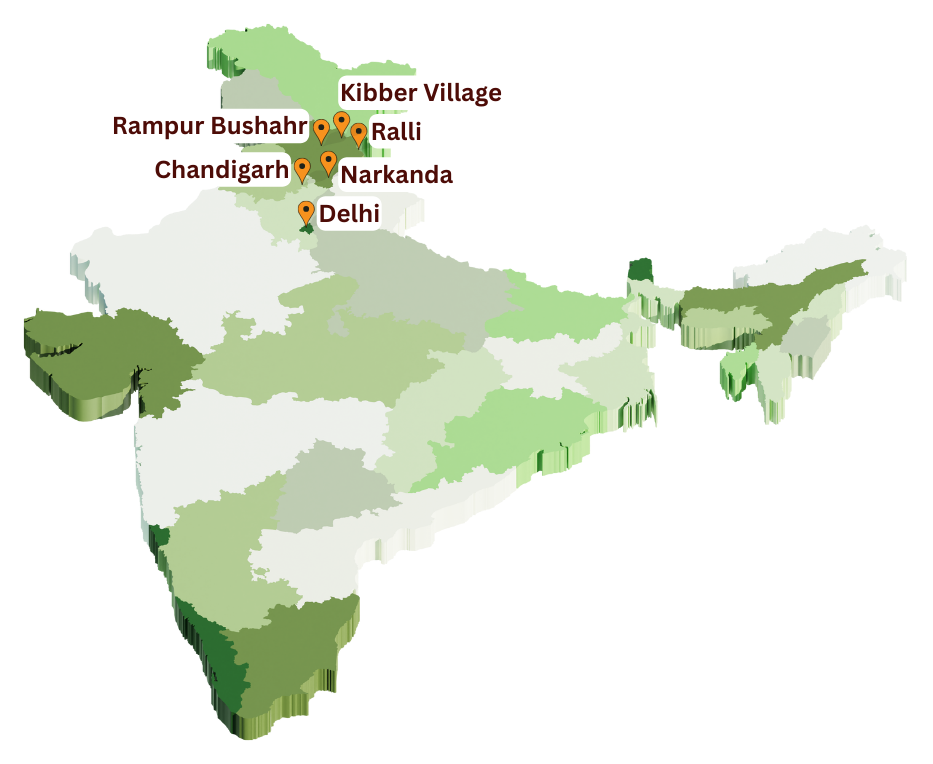
After our breakfast we drive to Chandigarh in our coach (Aprox 4-5 hrs). Upon arrival checkin to our hotel and relax for the journey to the higher mountains.
Overnight at : Ramada Plaza
Meals : Full Board
After our breakfast we begin our journey with an early morning departure from our hotel followed by a scenic drive to Rampur in Himachal Pradesh. The 250 km journey takes approximately 7-8 hours. Spend the night in Rampur, preparing for the adventures ahead.
Overnight at : Nau Nabh heritage hotel
Meals : Full Board
After an early morning check-out from your hotel, embark on the picturesque drive to Tabo. Although the 250 km trip takes about 6-7 hours and you may be tempted to stop frequently for photos, we encourage you to keep moving to ensure you reach your destination on time.
Overnight at : Homestay
Meals : Full Board
The day’s journey takes you through Kaza, the bustling summer headquarters of Spiti district. Here, you’ll find essential services like markets, ATMs, petrol pumps, shops, tourist information centers, bus stops, cafes, and bike rentals. After exploring Kaza, continue to Kibber, with a stop at the historic Key Monastery. Upon reaching Kibber Village, you’ll
settle into your Homestay Kibber, your base for the next few days.
After a brief orientation with the team assisting you during your stay, we recommend you rest thoroughly in preparation for the challenging high-altitude treks and adventures ahead.
Overnight at : Homestay
Meals : Full Board
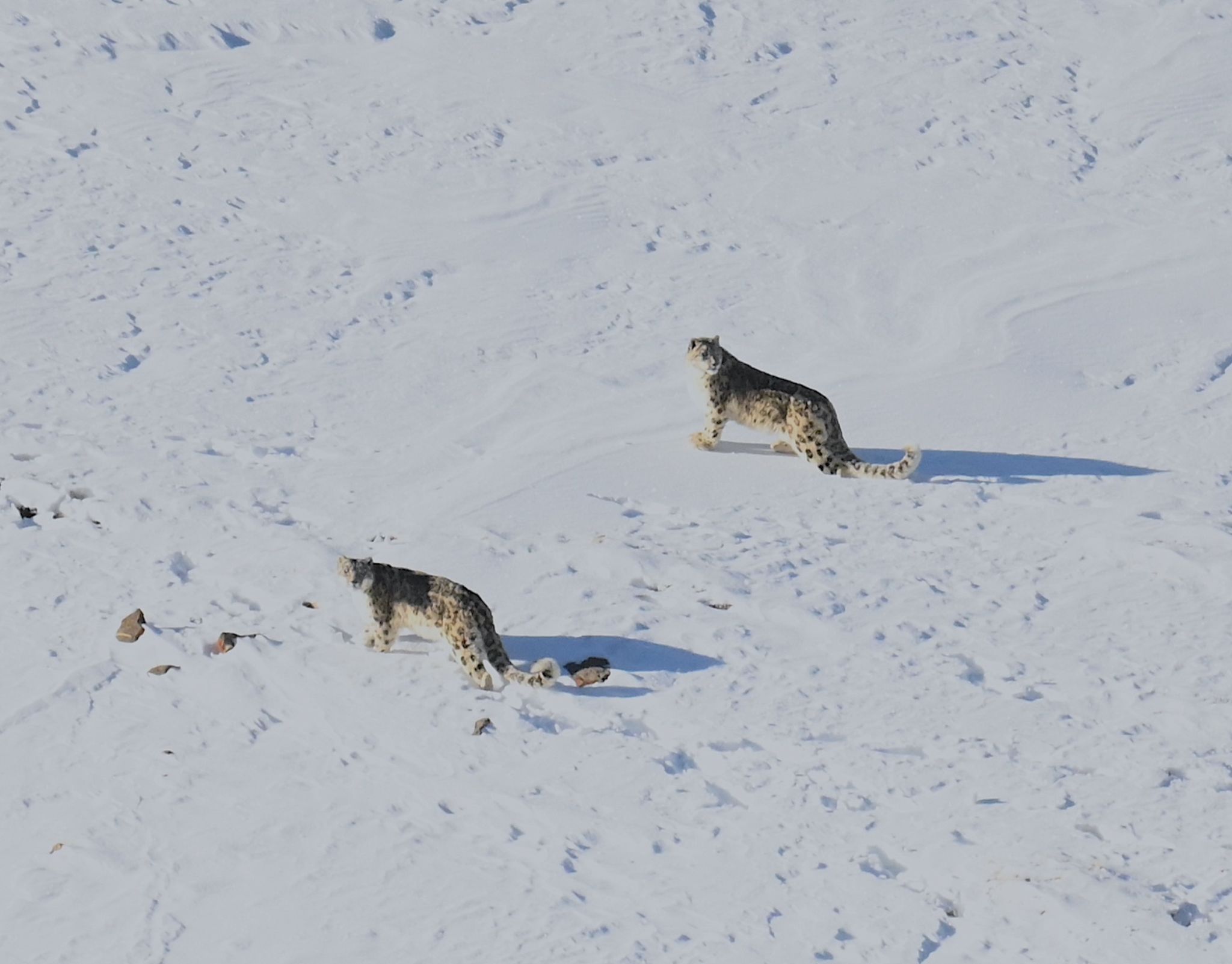
These 5 days will be of hiking/trekking and following the elusive snow leopard around Kibber Wildlife Sanctuary. Reach early for spotting places like Rong Nala in Kibber Wildlife Sanctuary. Snow leopard tracking guides and porters will lead you to the spot. There would not be any specific routine for these 4 days reserved for spotting snow leopards & other wildlife such as Bharals, Ibex, Red Fox, Golden Eagle, Himalayan Griffons, a lot of different bird species. We need to move to the spotting places as soon as we hear about the sightings from our spotting guides.
On all of your trekking days our warm lunch will be served in field.
Overnight at : Homestay
Meals : Full Board
After an exhilarating adventure in the high Himalayas, tonight is for rest and relaxation.
Unwind in Rampur, savoring delectable cuisine and celebrating your journey.
Overnight at : Nau Nabh Heritage hotel.
Meals : Full Board
Today after our breakfast we drive to Chandigarh (Aprox 7 hours) and we reach to the
airport to connect our flight to Delhi 19:00/20:00.
Upon arrival either stay in Delhi over night or your connecting flight to home.
Tour finishes here ….

Spiti Valley..
Spiti Valley..
The Spiti Valley is a cold desert mountain valley located high in the Himalaya mountains in the north-eastern part of the Indian state of Himachal Pradesh. The name “Spiti” means “The Middle Land”, i.e. the land between Tibet and India. Local population follow Vajrayana Buddhism similar to that found in the nearby Tibet Autonomous Region and the Ladakh region of India. Himachal Pradesh which is situated along the Spiti River at an elevation of about 12,500 feet (3,800 m) above mean sea level.
World within world as Rudyard Kipling described it, Spiti Valley is known to be one of the most beautiful and picturesque locations in the world. In Winters valley gets cut off from the rest of the world due to thick snow coverand roat to spiti in winters is known to be among most treacherous roads in the world. Due to high elevation one is likely to feel altitude sickness in Spiti. The upper reaches of the Spiti Mountains are home to the most elusive big cat in the world the snow leopard. The beautiful, regal animal, identifiable by its thick fur and long, fluffy tail lives in solitude in caves and dens for the majority of the year. Lucky for us, this endangered feline can be spotted in the Kibber National Park during winter months, when they come out of their habitats for the warmth of the sunlight.
What’s Covered in Your Journey
Your Safari Experience Covers
Included
- Chandigarh to Narkanda and Narkanda to Chandigarh road transfer – 10/12 Seater Traveling into 2 Exclusive vehicles
- Narkanda to Ralli to Kibber and Kibber to Rampur road transfer – 10/12 Seater Traveller into 2 exclusive vehicles (Ralli to Kibber, Sumo or similar 4x4 vehicles if required)
- Twin sharing accommodation at Luxurious Heritage Hotel at Rampur with Dinner.
- All meals included (stay as per itinerary & all meals including meals on the day of travel)
- All wildlife Permits
- Twin Sharing Accommodation at Ralli and Kibber will be in comfortable Home stays with rooms having heaters. All meals at Ralli and Kibber during stay.
- Exclusive Porter per participant to carry Camera Equipment and bags
- 2 Exclusive 12 Seater Tempo Traveller/Similar for local transfers at Kibber during Sightings.
- Expert team of Trackers for snow leopard tracking.
- Entry Permit for Spiti + Village Fees/Community Fees
- Kibber National Park Entry fees for individual for the duration of the stay in Kibber
- 4x4 vehicle backup in case of evacuation during emergency.
- Inner Line permit required for Foreigners
- Oxygen Cylinder availability for emergencies
- Camera Fees at Kibber
Expedition Highlights
- Highly experienced team of trackers, guides, and wildlife photography tour organizers
- All staff members are local
- All-inclusive trip
- Vehicle available for all days as per final itinerary
- Premium Accommodation at Hotel and Homestays with heating facilities
- Foldable Camping Chairs for seating while waiting for snow leopard sighting
- Opportunity to photograph other Himalayan wildlife like Ibex, Blue sheep, & Red foxes
Excluded
- Tips and gratuities
- Any other extra expenses other than mentioned
- Extra meals, beverages other than mentioned
- Train / air fares
- Travel Insurance
- Any increase in Entry Fees/ Permit Fees
- Any additional services used other than mentioned
Start Your Trip
Have questions? Feel free to write us
Got a question, a dream destination, or just an itch for the wild? We’d love to hear from you! Whether you’re planning your first safari or chasing your next big adventure, our team is here to guide you every step of the way. Reach out to us and let’s start crafting your perfect wildlife journey, because the wilderness is best experienced together.
Start Your Trip
Have questions? Feel free to write us
Got a question, a dream destination, or just an itch for the wild? We’d love to hear from you! Whether you’re planning your first safari or chasing your next big adventure, our team is here to guide you every step of the way. Reach out to us and let’s start crafting your perfect wildlife journey, because the wilderness is best experienced together.
[contact-form-7 id="5" title="Contact form"]